Discover the Elegance of Freewill: A Casual Look Font for Every Design
In the world of typography, finding a font that balances elegance with casual appeal can be challenging. Freewill is a unique typeface that offers just that—a perfect blend of sophistication and relaxed style. Whether you're working on a formal project or something more laid-back, Freewill provides a versatile solution that stands out.
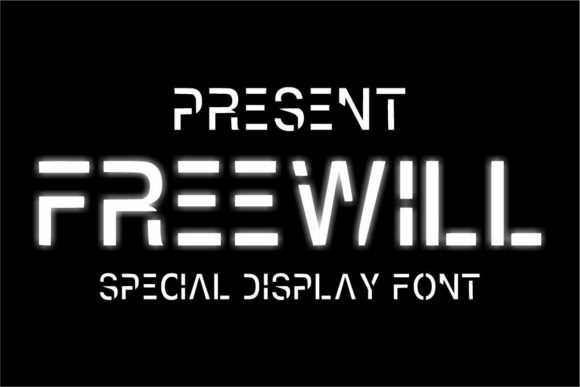
Freewill is a casual look font designed to bring an undeniably elegant feel to any design. Its neat arrangement of letters makes it both visually appealing and highly readable. The font's unique characteristics make it ideal for a wide range of applications, from branding and marketing materials to web design and print projects.
Understanding the Needs and Challenges of Designers
Designers often face the challenge of selecting a font that fits the tone and purpose of their work. Some fonts may be too rigid for informal settings, while others might lack the refinement needed for professional use. This is where Freewill shines. It bridges the gap between formality and informality, offering a flexible option that adapts to various contexts.
For those seeking a font that can handle both high-end and casual designs, Freewill presents a compelling choice. Its balanced structure ensures that it maintains readability without sacrificing aesthetic appeal. This makes it particularly useful for designers who want to create cohesive visual identities across different platforms and media.
How Freewill Can Help Address Design Challenges
One of the key advantages of Freewill is its ability to enhance the overall look of a design without being overwhelming. Its clean lines and harmonious letterforms make it suitable for a variety of uses, including headings, body text, and even logos. This versatility allows designers to maintain a consistent visual language throughout their projects.
Moreover, Freewill’s casual yet elegant nature makes it an excellent choice for brands looking to convey a friendly and approachable image. Whether you're designing a website, a brochure, or a social media campaign, this font can help establish the right tone and mood for your audience.
Practical Applications of Freewill in Design
Freewill is well-suited for a wide range of design applications. In web design, it can be used for headers and body text to create a visually engaging user experience. Its legibility at different sizes ensures that it remains effective across various screen sizes and resolutions.
In print design, Freewill adds a touch of class to everything from business cards and brochures to packaging and signage. Its unique character helps differentiate a brand from competitors, making it a valuable asset in the competitive world of visual communication.
For creative professionals, Freewill also offers a great way to express individuality. Its distinctive style allows for personalization and customization, making it a go-to font for those who want to stand out in their work.
Examples and Recommendations for Using Freewill
Consider using Freewill for a modern, minimalist logo that needs to convey both professionalism and creativity. Its clean lines and subtle curves make it ideal for a sleek and contemporary look. For a more playful application, try incorporating Freewill into a marketing campaign that aims to connect with a younger, more casual audience.
When working with Freewill, it's important to consider the context in which it will be used. Pairing it with other fonts that complement its style can help create a balanced and cohesive design. For example, combining Freewill with a more traditional serif font can add depth and contrast to a layout.
Additionally, testing Freewill in different sizes and formats is essential to ensure that it meets the specific needs of your project. Whether you're designing for print, digital, or a combination of both, experimenting with how Freewill appears in various scenarios can lead to better results.
Considering Different Approaches to Using Freewill
Users may approach Freewill differently based on their specific goals and preferences. A designer focused on creating a strong brand identity might prioritize using Freewill for consistent typography across all assets. On the other hand, someone working on a personal project might choose Freewill for its artistic appeal and unique character.
For businesses, Freewill can serve as a tool for building a recognizable and memorable brand presence. Its ability to adapt to different styles and formats makes it a valuable resource for companies looking to maintain a cohesive visual identity across multiple channels.
Ultimately, the success of using Freewill depends on how well it aligns with the overall vision of a project. By understanding the strengths and limitations of the font, users can make informed decisions about its implementation and maximize its potential.
Conclusion: Embrace the Versatility of Freewill
Freewill is more than just a font—it's a powerful tool that can elevate the quality and impact of any design. Its elegant yet casual look makes it suitable for a wide range of applications, from professional to personal projects. By choosing Freewill, designers can create visually appealing and effective designs that resonate with their audience.
Whether you're looking for a font that combines style with functionality or need a versatile typeface for your next project, Freewill offers a solution that meets both practical and aesthetic needs. With its unique character and adaptable nature, Freewill is a valuable addition to any designer's toolkit.