Party Club: A Versatile Handwritten Font for Creative Projects
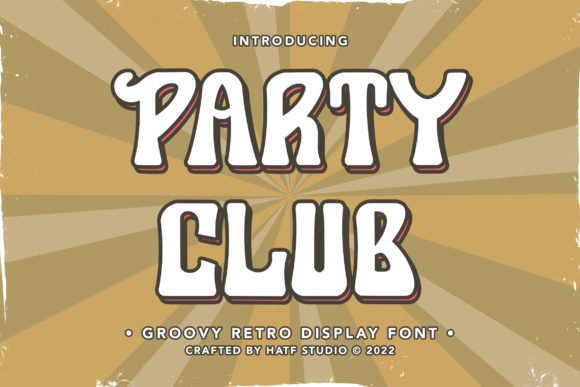
Party Club is a distinctive handwritten font that stands out in the world of typography. Its unique character set and retro aesthetic make it a compelling choice for a wide range of design applications. Whether you're working on branding, logos, or wedding invitations, Party Club offers a fresh and engaging visual identity that can elevate your creative projects.
Understanding Party Club: A Unique Handwritten Style
Party Club is more than just a font—it's a stylistic choice that brings energy and personality to any design. The font features fluid, organic strokes that mimic the look of hand-drawn lettering. This gives it a warm, approachable feel that can be especially effective in marketing materials, social media posts, and product packaging.
The font’s retro vibe makes it ideal for projects aiming to evoke nostalgia or a sense of fun. Its distinctiveness helps designs stand out in a crowded market, making it a valuable tool for professionals looking to differentiate their work.
Key Characteristics and Practical Applications
One of the most notable aspects of Party Club is its versatility. It works well across various design formats, from digital to print. The font’s legibility remains consistent even at smaller sizes, which is essential for labels, watermarks, and stationery items.
- Branding and Logos: Party Club can add a personal touch to brand identities, especially for businesses targeting younger audiences or those with a playful brand voice.
- Wedding Designs: Its whimsical style makes it a great fit for wedding invitations, signage, and related materials that aim to convey celebration and joy.
- Media Posts and Advertisements: The font’s eye-catching nature can help capture attention on social media platforms, banners, and promotional content.
- Product Packaging and Labels: Party Club adds a custom flair to packaging, making products more appealing and memorable to consumers.
Its adaptability means it can be used in both casual and professional settings, depending on how it's applied.
Evaluating Performance in Real-World Scenarios
In practical use, Party Club demonstrates reliability and consistency. Designers who have used it report that it maintains clarity and visual appeal across different mediums. However, its effectiveness depends on how it's integrated into a broader design scheme.
For instance, when used in conjunction with clean, modern elements, Party Club can create a balanced and visually engaging composition. On the other hand, overuse or improper pairing may lead to a cluttered or unprofessional appearance.
It's important to consider the context in which the font will be used. While it excels in creative and expressive projects, it may not be the best choice for formal or highly structured designs where minimalism is preferred.
Strengths and Limitations of Party Club
Party Club’s main strength lies in its ability to add a human, handcrafted feel to digital designs. This can be particularly beneficial for small businesses or independent creators looking to build a unique brand presence. Its flexibility also allows for customization through different weights and styles, depending on the version available.
However, there are some limitations to consider. The font’s informal nature may not suit all projects, especially those requiring a more traditional or corporate look. Additionally, while it’s visually engaging, it may not be the best option for long blocks of text due to its stylized form.
Designers should also verify that the font is properly licensed for commercial use, as this can impact its practicality for certain projects.
Who Benefits Most from Using Party Club?
Party Club is particularly useful for creatives, marketers, and entrepreneurs who need a distinctive typographic element to enhance their work. It’s ideal for those involved in branding, event planning, and digital content creation, where visual identity plays a key role.
Freelancers and small business owners may find it especially valuable for creating a cohesive look across multiple platforms. For example, a wedding planner might use Party Club for invitations, signage, and social media posts to maintain a unified theme.
Additionally, educators and hobbyists can benefit from its accessibility. It provides an easy way to add a creative touch to presentations, handmade crafts, or personal projects without requiring advanced design skills.
Recommendations for Effective Use
To get the most out of Party Club, consider the following tips:
- Use It Sparingly: Party Club works best as a highlight or accent rather than the primary text. Pair it with simpler fonts to maintain balance and readability.
- Test It in Different Contexts: Experiment with how it looks in various sizes and formats. This helps ensure it meets the needs of your specific project.
- Combine With Visual Elements: Use it alongside illustrations, patterns, or color schemes that complement its style. This enhances the overall aesthetic and reinforces the intended message.
- Check Licensing Terms: Make sure you understand the usage rights associated with the font, especially if it’s for commercial purposes.
By following these guidelines, users can maximize the font’s potential while avoiding common pitfalls.
Long-Term Value and Considerations
Party Club offers long-term value for designers who appreciate its unique qualities. Its ability to add personality and creativity to projects makes it a worthwhile addition to any typographic toolkit. However, its suitability depends on the specific needs of each project.
For those looking to create a memorable visual identity, Party Club can be an effective resource. Its retro charm and handcrafted feel provide a refreshing alternative to more standard fonts, helping designs stand out in a competitive landscape.
Ultimately, the decision to use Party Club should be based on how well it aligns with the goals, audience, and tone of the project at hand. When used thoughtfully, it can contribute significantly to the success of a design endeavor.