Slanted: A Strategic Choice for Visual Communication
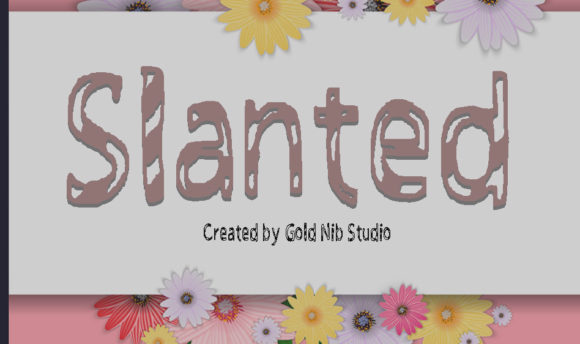
Slanted is more than just a font—it's a versatile tool that can elevate visual communication in both digital and print formats. Designed with a casual, original, and cute aesthetic, Slanted offers a unique balance between creativity and clarity. Its slanted structure gives it a dynamic feel, making it ideal for projects where a fresh, approachable tone is needed.
For professionals and creatives, the strategic use of Slanted can help differentiate a brand, enhance readability, and create a memorable visual identity. Whether you're working on product packaging, social media content, or editorial designs, understanding how to apply Slanted effectively can lead to better outcomes and more intentional design decisions.
Why Slanted Matters in Visual Strategy
Fonts are not just about aesthetics—they play a crucial role in how messages are received and interpreted. Slanted brings a sense of movement and energy to text, which can be particularly useful in contexts where engagement is key. For instance, in marketing campaigns, using Slanted for headlines or call-to-action elements can draw attention and encourage interaction.
From a strategic perspective, choosing the right font aligns with broader goals such as brand positioning, audience connection, and message clarity. Slanted supports these objectives by offering a visually appealing alternative to more traditional typefaces. It allows designers to communicate in a way that feels modern and relatable without sacrificing legibility.
When used thoughtfully, Slanted can reinforce a brand’s personality. If your brand is known for being creative, playful, or innovative, this font can serve as a visual representation of those values. However, it's important to consider the context in which it's used—overuse or improper application can dilute its impact.
Practical Use Cases for Slanted
Slanted is well-suited for a variety of applications where a casual, friendly tone is appropriate. Product packaging, for example, often benefits from fonts that feel inviting and easy to read. Using Slanted on labels or promotional materials can help create a cohesive look that resonates with consumers.
In branding projects, Slanted can be used to add a personal touch to logos, stationery, or website headers. It works especially well when paired with simpler, more neutral fonts to maintain balance. This combination can help ensure that the overall design remains professional while still feeling approachable.
Social media platforms also benefit from the use of Slanted. Whether it's for Instagram posts, Twitter banners, or Facebook covers, the font adds a distinctive flair that stands out in a crowded space. It can be used to highlight key messages or create a visual theme that aligns with a brand’s identity.
Strategic Considerations for Using Slanted
Before incorporating Slanted into your design work, it's essential to evaluate its suitability for the intended purpose. Ask yourself: Does this font align with the tone and message of the project? Will it enhance or detract from the overall visual experience?
One practical tip is to test Slanted in different sizes and contexts. While it may look great in large headlines, it might not be as effective for body text. Understanding the limitations of the font ensures that it's used in a way that supports readability and user experience.
Another consideration is the audience. If your target demographic prefers a more formal or traditional look, Slanted might not be the best choice. However, for younger audiences or niche markets that value creativity and individuality, this font can be a powerful asset.
Planning and Decision-Making with Slanted
Integrating Slanted into a design strategy requires careful planning. Start by defining the goals of the project and identifying where the font can add value. For example, if you're creating a wedding invitation, Slanted can bring a whimsical and elegant touch that complements the event's theme.
When planning, consider how Slanted will interact with other design elements. Color schemes, imagery, and layout all play a role in how the font is perceived. A well-balanced composition can make the difference between a visually appealing design and one that feels cluttered or confusing.
Decision-making around font selection should also involve collaboration. Work with designers, marketers, and stakeholders to ensure that the chosen typography reflects the collective vision and objectives of the project. This collaborative approach helps avoid missteps and ensures that the final result meets both aesthetic and functional goals.
Risks of Misusing Slanted
While Slanted is a powerful tool, it's not without its risks. One common mistake is using it in situations where a more neutral or professional font would be more appropriate. For instance, in corporate reports or official documents, the casual nature of Slanted might undermine the seriousness of the content.
Another risk is overuse. If Slanted is applied too frequently across different elements of a design, it can become distracting and lose its effectiveness. The key is to use it strategically, reserving it for specific areas where it can have the most impact.
Without clear goals or context, the use of Slanted can lead to inconsistent branding or unclear messaging. It's important to remember that fonts are part of a larger design language and should be chosen with intention and purpose.
Long-Term Value of Intentional Font Use
The long-term success of any design project depends on thoughtful execution. By using Slanted intentionally, you can build a consistent and recognizable visual identity that resonates with your audience. This consistency helps reinforce brand recognition and trust over time.
Moreover, intentional font use contributes to a more cohesive and professional appearance. When elements like Slanted are used with care, they support the overall message and purpose of the design. This attention to detail can set your work apart and lead to better results in both creative and business contexts.
As you continue to explore the potential of Slanted, keep in mind that the goal is not just to be creative, but to be effective. Every design decision should serve a purpose and contribute to the broader objectives of the project.