Thunder Flash: A Bold Display Font for Modern Design
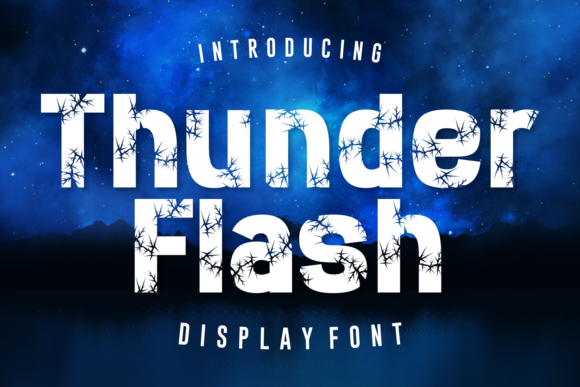
Thunder Flash is a modern display font inspired by the dynamic and electrifying nature of lightning. Its sharp, angular strokes and high-contrast design make it ideal for visual elements that demand attention. From quotes to banners, movie posters to t-shirts, Thunder Flash offers a unique aesthetic that can elevate a wide range of creative projects.
Designed with versatility in mind, Thunder Flash is particularly well-suited for applications where boldness and clarity are essential. Whether used in digital or print formats, the font maintains its impact without sacrificing readability. Its strong visual presence makes it a popular choice among designers looking for a distinctive typeface that stands out in a crowded space.
Why Thunder Flash Might Interest You
For designers and creatives, Thunder Flash provides an opportunity to add a sense of energy and movement to their work. The font's structure mimics the sudden, powerful strike of lightning, which can be especially effective in contexts that require a dramatic or urgent tone. This makes it a compelling option for promotional materials, such as offer banners, sales announcements, and event invitations.
Additionally, Thunder Flash is part of the CF Class Designing Custom AI Prints with CF Spark, which highlights its integration into modern design workflows. This connection suggests that the font is not only visually striking but also technologically relevant, appealing to those who value innovation in their creative tools.
Benefits and Considerations
One of the key benefits of Thunder Flash is its ability to convey strength and urgency without being overly complex. Its clean lines and structured form ensure that it remains legible even at smaller sizes, making it suitable for a variety of design needs. This balance between style and functionality is a significant advantage for users who want a font that performs well across different mediums.
However, there are tradeoffs to consider. Thunder Flash may not be the best choice for long blocks of text due to its stylized appearance, which can reduce readability over extended reading sessions. In such cases, a more traditional serif or sans-serif font might be more appropriate. Additionally, while the font is versatile, it may not fit every design theme, requiring careful consideration of the overall visual identity.
Situations Where Thunder Flash Excels
Thunder Flash is particularly effective in scenarios where visual impact is a priority. For example, in movie posters, the font can help draw attention to key information such as the title or release date. Its bold nature makes it ideal for headlines, logos, and other prominent design elements that need to command immediate attention.
In the context of t-shirt design, Thunder Flash can add a striking element to clothing, especially for brands or events that want to make a strong visual statement. Similarly, in digital marketing, the font can enhance the effectiveness of offer banners by creating a sense of urgency and excitement.
When Alternatives May Be More Suitable
While Thunder Flash has many strengths, there are situations where alternative fonts may be more appropriate. For instance, in professional or formal settings, a more subdued typeface might be preferred to maintain a polished and sophisticated appearance. In these cases, fonts with a cleaner, more neutral look could better align with the desired tone.
Additionally, for projects that require a high level of readability—such as instructional materials or long-form content—Thunder Flash may not be the best fit. Designers should evaluate the specific needs of their project and choose a font that supports both the message and the medium.
Practical Decision-Making Insights
When considering whether Thunder Flash is the right choice, it's important to think about the intended audience and the message being conveyed. If the goal is to create a strong visual impression and evoke a sense of energy, then Thunder Flash can be an excellent option. However, if the focus is on clarity and subtlety, other fonts may be more effective.
Designers should also test the font in different contexts to see how it performs. Experimenting with size, color, and placement can help determine whether it meets the project's requirements. By taking a practical approach, users can make informed decisions that align with their creative goals.
Ultimately, Thunder Flash offers a powerful and distinctive option for designers seeking a bold, eye-catching font. Its unique characteristics make it well-suited for a range of applications, but its suitability depends on the specific needs of each project. By carefully evaluating the strengths and limitations of Thunder Flash, users can determine whether it aligns with their design objectives and enhances their creative work.